Updated November 19, 2026 · Cat Phones team
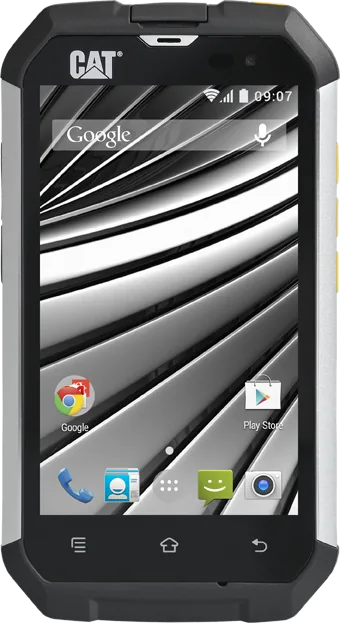
The Cat B10 is a piece of Cat phone history, not a phone to rely on. It supports only 2G and 3G, which the major US carriers have shut down, and it runs Android 2.3, which current apps no longer support. Buy one for a collection or display. If you need something that connects today, the Cat B40 keypad phone and the Cat S42 H+ smartphone are better starting points.
What was the Cat B10?
The B10 was the first phone sold under the Cat name. Caterpillar licensed its brand to Bullitt Group, a UK company, in 2012, and the B10 was the first result. The Verge covered its launch with a hands-on in March 2012. One spec database lists it as released in 2011, but the launch coverage and Wikipedia both point to 2012.
The idea behind it set the pattern for the next 12 years: a phone sealed against dust and water, with a tough shell and the Cat brand for people who work outdoors. The B10 was followed by the touchscreen Cat B15 and its quad-core sibling the Cat B15Q, then by the S-series, starting with the Cat S50.
Since Bullitt shut down in early 2024, no Cat phone is still in production. Caterpillar announced a new licence with Orbic in 2025, but those phones have only been announced so far. Read what happened to Cat phones for the full story.
Cat B10 toughness and IP67 rating
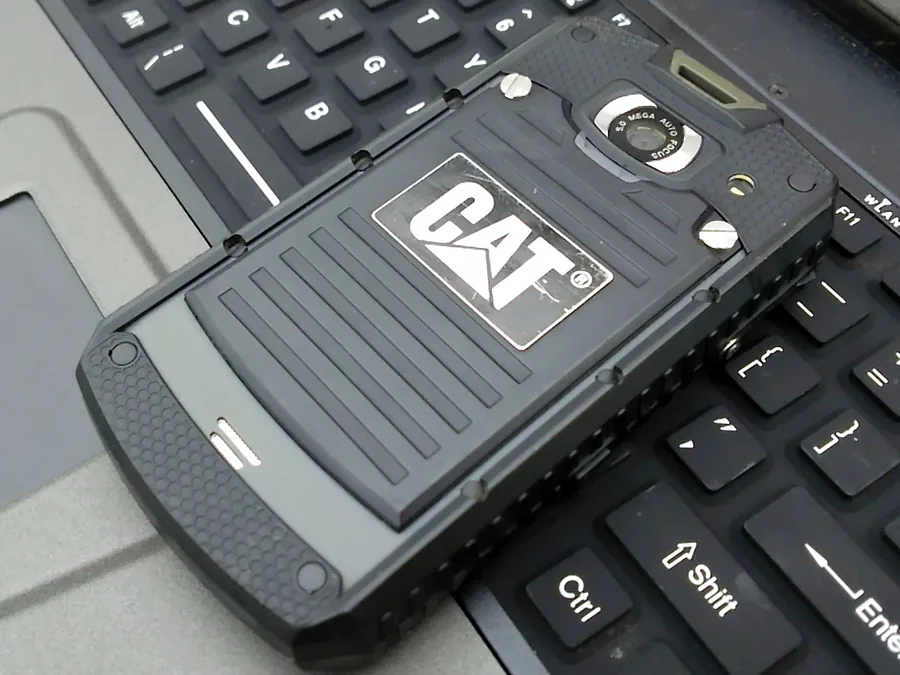
The B10 carries IP67, so it is sealed against dust and rated to sit in 1 m of water for half an hour. In 2012 that was a real selling point for a touchscreen phone. It is not rated for pressure-washing, which needs IP69K, and our sources give no drop height or MIL-STD-810 rating for it, so we do not quote one.
At 125 x 65 x 22 mm (4.92 x 2.56 x 0.87 in) and 201 g, it is thick and heavy for its small screen. After more than a decade, its seals should not be trusted underwater. Our explainer on Cat phone durability ratings shows how far later models moved on.
Cat B10 screen, chip and Android 2.3
The screen is a 3.2-inch TFT at 480 x 320 (HVGA), about 180 pixels per inch, showing 256K colors. Inside is a Qualcomm MSM7227 running at 800 MHz with an Adreno 200 GPU and 512 MB of RAM. Internal storage is not listed in our source, but a microSD slot takes cards up to 32 GB.
The phone runs Android 2.3.5 Gingerbread. Gingerbread has been out of support for many years: no security patches, and today's apps will not install. A B10 is not safe for accounts, email or anything connected to work.
Cat B10 camera and battery
The main camera is 5 MP (2592 x 1944) and the front camera is 0.3 MP VGA. Photos are basic by any modern standard, but they show the kind of job-site documentation the phone was meant for.
The 1,900 mAh lithium-ion battery was rated for up to 9 hours of talk time and up to 360 hours of standby. Any original battery will have aged badly by now. If you store a B10 for a collection, follow our battery storage advice and check for swelling before charging.
Does the Cat B10 work in the US today?
No. The B10 supports GSM on 850/900/1800/1900 and WCDMA 3G on 850/1700/1900/2100 MHz. It has no 4G LTE. With AT&T, Verizon and T-Mobile having retired both 2G and 3G, a B10 finds no network for calls, SMS or data, so never treat it as a 911 phone.
Some countries still run 2G or 3G, so a B10 may connect abroad. Check with the local network before you count on it. Our Cat phone network compatibility explainer lists which models still work in the US.
Cat B10 connections and extras
- Dual SIM with Mini-SIM slots, according to its spec listing.
- Wi-Fi 802.11 b/g for home or office networks.
- A-GPS for location.
- micro USB 2.0 for charging and data.
- microSD up to 32 GB.
- The first Cat phone: real collector appeal
- IP67 sealing in a 2012 touchscreen phone
- Dual SIM slots
- microSD support
- 2G and 3G only: no service on major US carriers
- Android 2.3.5 with no app or security support
- Small, low-resolution 3.2-inch screen
- Short rated talk time
- No drop rating in our data
Who should buy a Cat B10?
- Collectors of rugged phones or Caterpillar memorabilia.
- Fans of the brand who want the phone that started it.
- Not for daily use: it cannot connect, run current apps or be trusted for emergency calls.
Cat B10 vs Cat B15: the next step
The B15 replaced the B10's 3.2-inch screen with a 4-inch display, moved from Android 2.3 to 4.1, added a 1.8 m drop rating and MIL-STD-810G, and stepped up to a 2,000 mAh battery. Both are 3G-only. The table compares the specs listed on each model page.
| Cat B10 | Cat B15 | |
|---|---|---|
| Photo | | 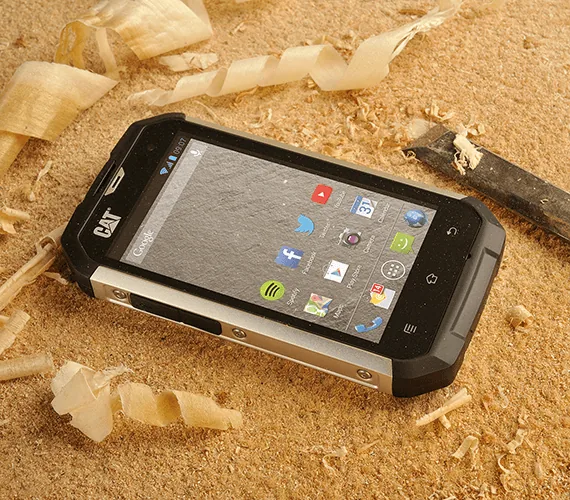 |
| Display | 3.2" HVGA TFT | 4.0" WVGA TFT |
| Chipset | Qualcomm MSM7227 | MediaTek MT6577 |
| Memory | 512MB RAM + microSD | 512MB / 4GB + microSD |
| Main camera | 5 MP | 5 MP AF |
| Battery | 1,900 mAh | 2,000 mAh |
| Durability | IP67 | IP67, 1.8 m drop |
| Android | 2.3.5 Gingerbread | 4.1 Jelly Bean |
Modern Cat phones that follow the B10
The B10's idea of a sealed, tough phone carried through to the last Cat models. For a working phone today, browse our Cat rugged smartphones, our rugged Cat feature phones, or the complete Cat phone range.
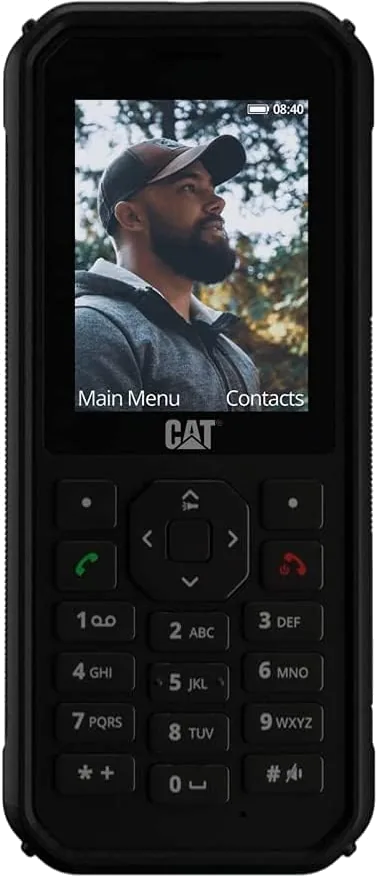
Cat B40
- Display: 2.4" QVGA
- Chipset: Unisoc T117
- Memory: microSD up to 32GB
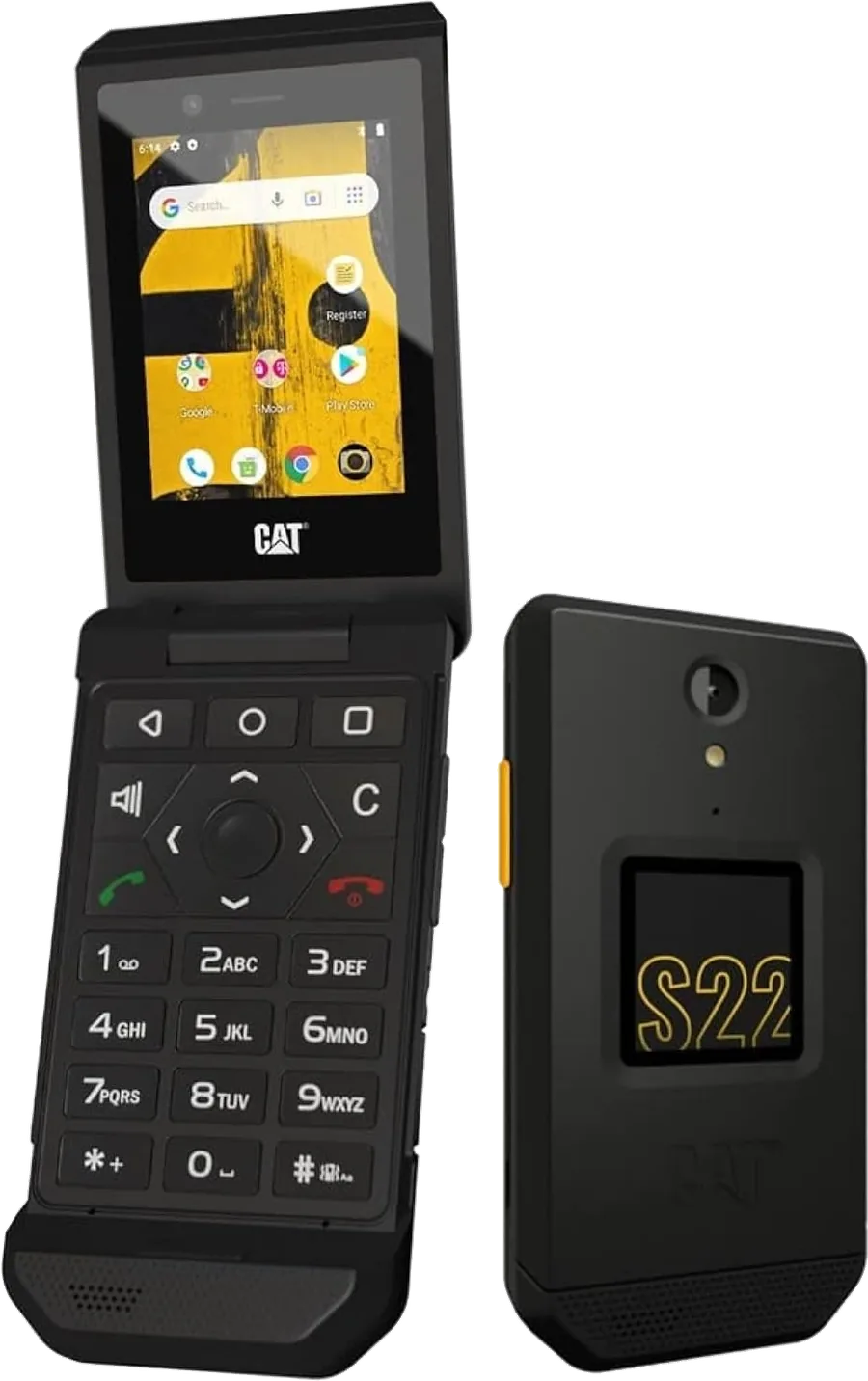
Cat S22 Flip
- Display: 2.8" 480 x 640 touch + 1.44" outer
- Chipset: Snapdragon 215
- Memory: 2GB / 16GB + microSD
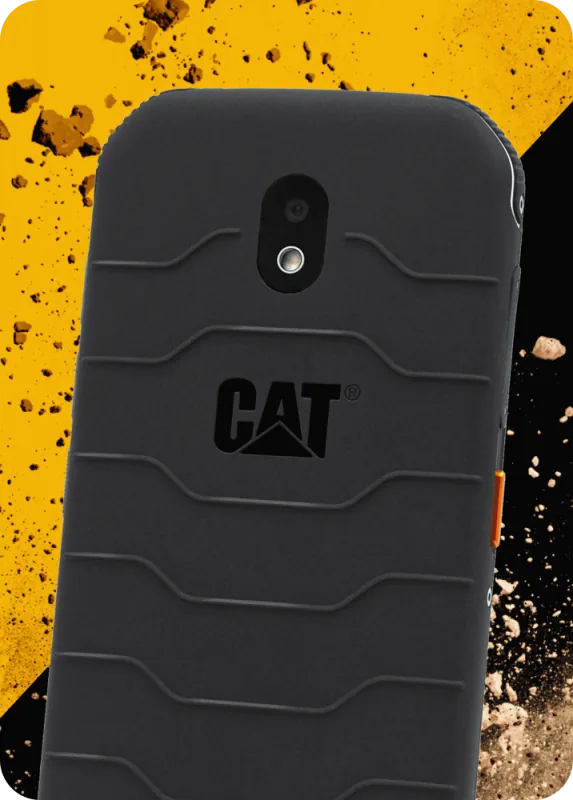
Cat S42 H+
- Display: 5.5" HD+ IPS
- Chipset: Helio A20
- Memory: 3GB / 32GB + microSD
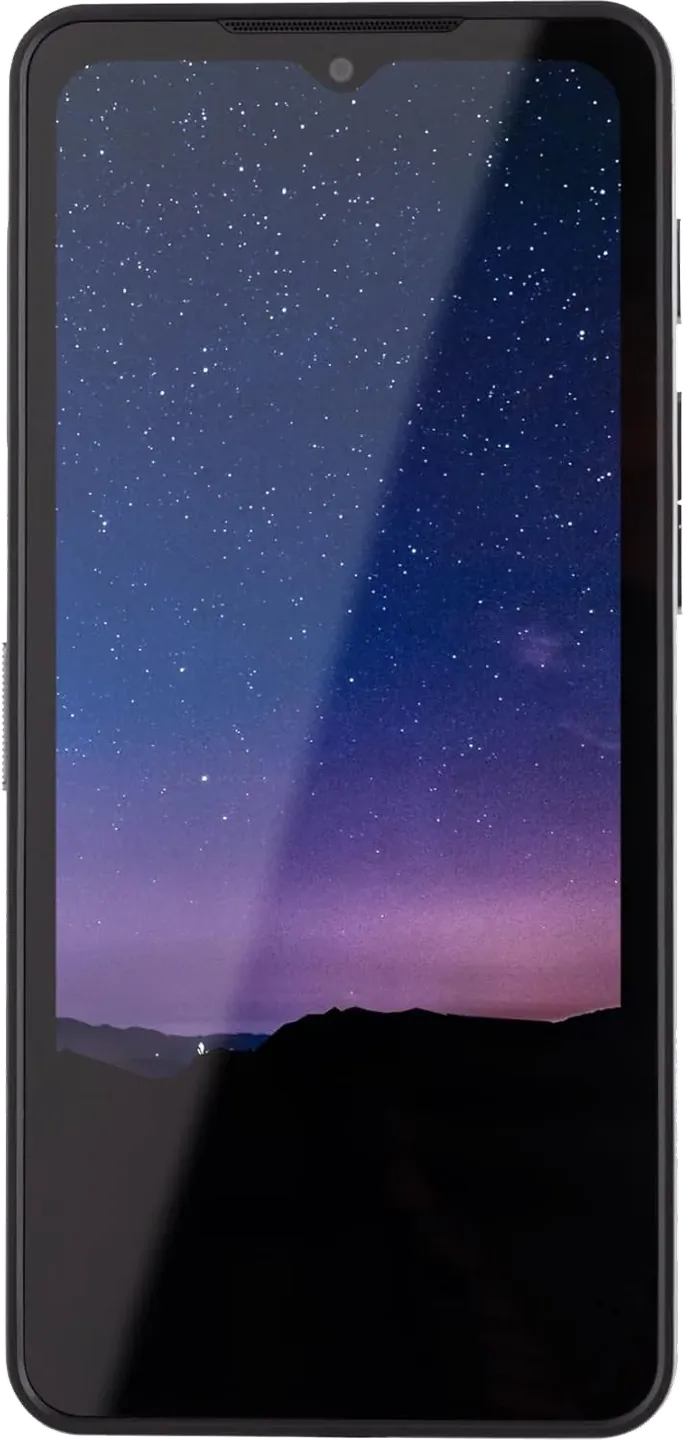
Cat S75
- Display: 6.6" FHD+ 120Hz
- Chipset: Dimensity 930
- Memory: 6GB / 128GB
Cat B10 full specifications
Network
- Technology
- GSM, WCDMA, GPRS, EDGE (no LTE)
- 2G bands
- GSM 850 / 900 / 1800 / 1900
- 3G bands
- WCDMA 850 / 1700 / 1900 / 2100
Launch
- Launched
- 2012 (some listings say 2011)
- Status
- Discontinued
Body & build
- Dimensions
- 4.92 x 2.56 x 0.87 in (125 x 65 x 22 mm)
- Weight
- 7.09 oz (201 g)
- SIM
- Mini-SIM, dual SIM
- Colors
- Black
Durability
- Ingress protection
- IP67, immersion up to 3.3 ft (1 m) for 30 min
Display
- Type
- TFT, 256K colors
- Size
- 3.2 inches
- Resolution
- 480 x 320 pixels, HVGA (~180 ppi)
Platform
- OS
- Android 2.3.5 (Gingerbread)
- Chipset
- Qualcomm MSM7227
- CPU
- 800 MHz
- GPU
- Adreno 200
Memory
- RAM
- 512MB
- Card slot
- microSD, up to 32GB
Main camera
- Resolution
- 5 MP (2592 x 1944)
Selfie camera
- Resolution
- 0.3 MP (640 x 480)
Connectivity
- Wi-Fi
- 802.11 b/g
- Positioning
- A-GPS
- USB
- micro USB 2.0
Battery
- Capacity
- 1,900 mAh Li-ion
- Talk time
- Up to 9 h
- Standby
- Up to 360 h
Cat B10 FAQ
Was the Cat B10 the first Cat phone?
Yes. The B10 was the first phone in the Cat range, launched in 2012 by Bullitt Group under licence from Caterpillar. The Verge covered its launch in March 2012. One spec database lists a 2011 release, but launch coverage and Wikipedia both date it to 2012.
Does the Cat B10 still work?
It may power on and run offline, but it cannot connect to major US carriers. It supports only 2G and 3G, and both have been shut down in the US. With Android 2.3.5, current apps will not install either, so it is a collector's phone now.
Is the Cat B10 waterproof?
It was rated IP67 when new, meaning dust-tight and protected against 1 m of water for 30 minutes. A phone this old should not be put underwater, as its seals will have aged. Our sources give no drop rating for the B10.
What Android version does the Cat B10 run?
The Cat B10 runs Android 2.3.5 Gingerbread. It is far too old for current apps and has no security support, so keep it off any account you care about. It is best kept as a display piece or used offline.
What replaced the Cat B10?
The Cat B15 came next, with a 4-inch screen, Android 4.1 and a 1.8 m drop rating, followed by the quad-core B15Q and then the S-series smartphones starting with the S50. For a working phone today, look at newer 4G models like the B40 or S42 H+.
Cat Phones is reader-supported: when you buy through an Amazon link on this page we may earn a commission, at no extra cost to you. Amazon prices and availability change often. Affiliate disclosure.