Updated November 19, 2026 · Cat Phones team
IP68 means dust tight and able to survive continuous immersion beyond 1 meter under conditions the maker sets; Cat IP68 phones list depths from about 3 to 16 feet. IP69K (or IP69) means it survived close-range, high-pressure, high-temperature water jets, the kind used to wash down equipment. They are separate tests, so a phone needs both listed to claim both. MIL-STD-810H is the 2019 update of 810G; it is a set of test methods, not a certificate. Most Cat phones are drop tested to 6 ft (1.8 m).
How to read an IP rating on a rugged phone
An IP (Ingress Protection) code has two digits. The first is protection against solids such as dust and grit, on a scale up to 6. The second is protection against water, on a scale up to 9. A 6 in the first position means dust tight: no dust gets in at all during the test. That is why almost every rugged phone starts with a 6.
The second digit is where the differences are. The values that matter for phones are 7, 8 and 9 (or 9K). They do not stack like a ladder; each describes a different test. The full scheme is set out on the IP code reference if you want the formal wording.
- IP67: survives temporary immersion up to 1 meter for 30 minutes. Older Cat phones such as the B15, B25, B30, B100 and S50 use this rating.
- IP68: survives continuous immersion beyond 1 meter. The manufacturer sets the depth and time, so always read the numbers next to it.
- IP69 / IP69K: survives close-range, high-pressure, high-temperature water jets. The K version comes from the road-vehicle standard used for wash-down equipment.
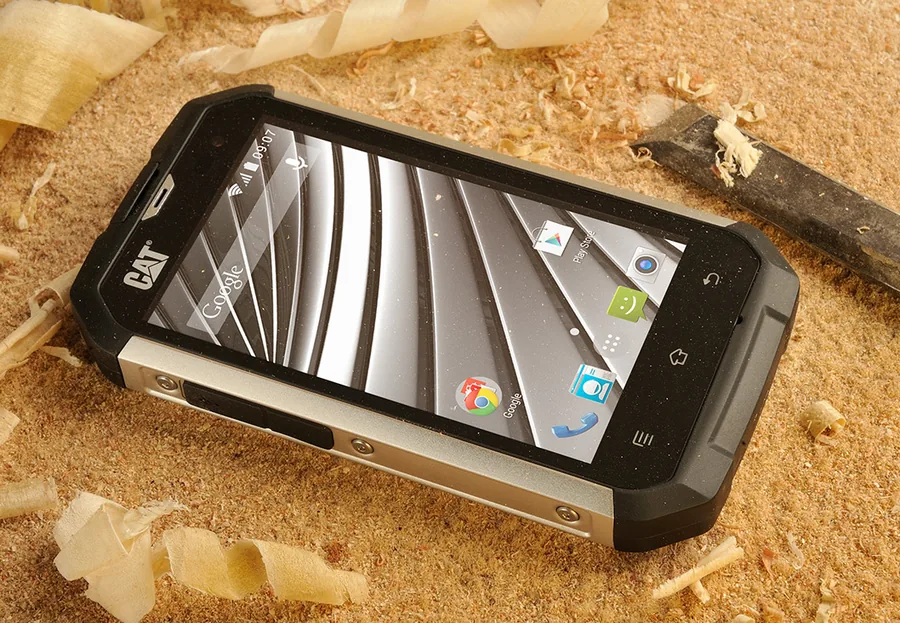
IP68 vs IP69K: which matters more on the job?
IP68 protects against the accident: the phone that slides off a dock, falls in a trough or sits in a flooded trench. IP69K protects against the routine: the phone that gets hosed down with the rest of the gear at the end of a shift, or cleaned with hot water in a food plant. They answer different questions, which is why the better Cat phones list both.
A phone rated only IP68 has not been tested against jets. High-pressure water can force its way past seals that would hold perfectly well under still water. Equally, an IP69K-only rating says nothing about how long a phone can stay submerged. If your crew both drops phones in water and washes them down, look for a phone listing IP68 and IP69 together.
| IP68 | IP69K | |
|---|---|---|
| Water type | Still water, submersion | High-pressure, hot water jets |
| Typical risk | Drops into water, rain, puddles | Pressure washing, hot wash-down, hosing equipment |
| Depth and time | Set by maker; Cat lists 3.3 to 16.4 ft | Not a depth test |
| Good for | Fishing, marine, drainage, farming | Food processing, agriculture, plant cleaning |
| Cat examples | S60, S61, S22 Flip, S48c | S53 (IP69K); S62 Pro, S62, S42 H+, B40 list IP69 |
IP69 and IP69K on Cat phone spec sheets
Most Cat spec sheets write IP69 rather than IP69K, and in the data we hold only the Cat S53 is listed as IP69K. Both describe a high-pressure, high-temperature water jet test; the K variant comes from the automotive standard and IP69 from the general IP standard. Unless your employer's safety policy names one specifically, treat them as the same practical promise: the phone can be washed down.
Water depth ratings across the Cat range
Because IP68 lets the maker choose the depth, the numbers differ a lot between Cat models. The Cat S60 was tested to 16.4 feet (5 m) for an hour, which made sense for a phone with a thermal camera aimed at outdoor and marine work. The S61 lists 9.8 feet (3 m), while the S62 Pro, S62, S42 and S22 Flip list 5 feet (1.5 m) for 35 minutes.
Those figures are for fresh water at a steady depth. They do not cover a jet of water, a dive with pressure changes, hot soapy water, or salt water sitting in a port for days. Several Cat sheets list resistance to salt mist and humidity, but that is not the same as a salt water soak, so rinse with fresh water after the sea. Our cleaning and battery care advice covers how.
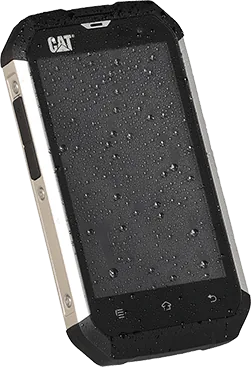
What MIL-STD-810 testing actually means
MIL-STD-810 is a US Department of Defense standard that describes how to test equipment against environmental stress: shock, vibration, temperature extremes, humidity, salt fog, sand and dust, and more. It is a library of test methods, not a pass mark. A manufacturer picks the methods that fit its product, runs them, and states that the product complies. Background on the standard is on the MIL-STD-810 reference page.
Two things follow. First, there is no official military certificate for a phone; MIL-STD-810 compliant means the maker says it passed the tests it chose. Second, the useful details are the specific tests and limits, which is why Cat spec sheets list things such as drop height, vibration category and temperature range alongside the MIL-SPEC line.
Test methods that matter for work phones
- Shock (drop): repeated drops onto a hard surface from a set height, on faces, edges and corners.
- Vibration: long exposure to shaking, like a phone mounted in a truck or on a machine. Several Cat sheets list Category 4 vibration.
- Thermal shock: fast swings between hot and cold, like leaving a warm cab into freezing air.
- Humidity and salt fog: damp, salty air that corrodes contacts. The S62 Pro and S62 sheets list resistance to humidity and salt mist.
- Sand and dust: blowing grit that wears seals and buttons.
MIL-STD-810G vs MIL-STD-810H on Cat phones
MIL-STD-810G was published in 2008 and MIL-STD-810H replaced it in 2019. The H revision refined and clarified test procedures rather than inventing a tougher phone. For a buyer, the practical meaning is simple: a phone listed as 810H was tested to the newer document, which generally means it is a newer phone.
You can see this in the Cat range. The phones launched from 2020 onwards, such as the Cat S62 Pro, S62, S42, S42 H+, S22 Flip, S53 and S75, list 810H. Earlier phones, including the S60, S61, S52, S48c and S41, list 810G. One quirk: GSMArena lists the B40 as 810H, but its official spec sheet says 810G, so we follow the official sheet.
Cat phone drop heights by model
Drop height is the most practical number on a rugged spec sheet. MIL-STD-810's transit drop procedure for hand-carried items is commonly run from 4 feet (1.22 m); most Cat phones go further and list 6 feet (1.8 m), roughly the height a phone falls from when it slips out of a shirt pocket or off a ladder.
The surface matters too. Steel does not give at all, so a drop onto a steel deck or plate passes the full impact into the phone. Concrete is very hard but slightly more forgiving and can chip. Where Cat stated the surface, we show it below. Water depth and IP rating are included so you can compare everything in one place.
| Model | IP rating | Water (depth, time) | Drop tested | MIL-STD |
|---|---|---|---|---|
| Cat S75 | IP68 / IP69 | 16.4 ft (5 m), 35 min | 6 ft (1.8 m) | 810H |
| Cat S62 Pro | IP68 / IP69 | 5 ft (1.5 m), 35 min | 6 ft (1.8 m) onto steel | 810H |
| Cat S62 | IP68 / IP69 | 5 ft (1.5 m), 35 min | 6 ft (1.8 m) onto steel | 810H |
| Cat S53 | IP68 / IP69K | 5 ft (1.5 m), 35 min | 6 ft (1.8 m) | 810H |
| Cat S52 | IP68 / IP69 | 5 ft (1.5 m), 35 min | 5 ft (1.5 m) onto concrete | 810G |
| Cat S48c | IP68 | 4 ft (1.2 m), 35 min | 6 ft (1.8 m) onto concrete | 810G |
| Cat S42 H+ | IP68 / IP69 | 5 ft (1.5 m), 35 min | 6 ft (1.8 m) onto steel | 810H |
| Cat S42 | IP68 / IP69 | 5 ft (1.5 m), 35 min | 6 ft (1.8 m) onto steel | 810H |
| Cat S41 | IP68 | 6.6 ft (2 m), 60 min | 6 ft (1.8 m) | 810G |
| Cat S40 | IP68 | 5 ft (1.5 m), 30 min | 6 ft (1.8 m) | 810G |
| Cat S31 | IP68 | 4 ft (1.2 m), 35 min | 6 ft (1.8 m) | 810G |
| Cat S30 | IP68 | 3.3 ft (1 m), 60 min | 6 ft (1.8 m) | 810G |
| Cat S22 Flip | IP68 | 5 ft (1.5 m), 35 min | 6 ft (1.8 m) onto steel | 810H |
| Cat S61 | IP68 | 9.8 ft (3 m), 60 min | 6 ft (1.8 m) | 810G |
| Cat S60 | IP68 | 16.4 ft (5 m), 60 min | 6 ft (1.8 m) | 810G |
| Cat S50 | IP67 | 3.3 ft (1 m), 30 min | 3.9 ft (1.2 m) | 810G |
| Cat B40 | IP68 / IP69 | 4 ft (1.2 m), 35 min | 6 ft (1.8 m) onto steel | 810G |
| Cat B35 | IP68 | 4 ft (1.2 m), 35 min | 6 ft (1.8 m) | 810G |
| Cat B30 | IP67 | 3.3 ft (1 m), 30 min | 6 ft (1.8 m) | 810G |
| Cat B26 | IP68 | 4 ft (1.2 m), 35 min | 6 ft (1.8 m) onto concrete | 810G |
| Cat B25 | IP67 | 3.3 ft (1 m), 30 min | 6 ft (1.8 m) | Not listed |
| Cat B15Q | IP67 | 3.3 ft (1 m), 30 min | 6 ft (1.8 m) | 810G |
| Cat B15 | IP67 | 3.3 ft (1 m), 30 min | 6 ft (1.8 m) | 810G |
| Cat B100 | IP67 | 3.3 ft (1 m), 30 min | 6 ft (1.8 m) | 810G |
| Cat Q10 hotspot | IP68 | Not listed | 6 ft (1.8 m) onto steel | 810H |
Sources: official Cat spec sheets where available, otherwise GSMArena; the B26 figures come from its retail listing. GSMArena lists the S52 as IP68 only and the S22 Flip has also been reported as IP69K elsewhere; we follow the official US spec sheets, which say IP68 and IP69 for the S52 and IP68 for the S22 Flip.
What rugged ratings do not promise
- Seals age. Ratings apply to a new phone. Gaskets, port covers and adhesives wear with time, heat and cleaning chemicals.
- Open covers void the rating. A port flap or battery cover left open, or a screw left loose, means no water protection at all.
- Repeated drops add up. Passing a drop test does not mean the phone survives every drop forever. Damage can be hidden inside.
- Screens can still crack. Gorilla Glass and raised bezels help, but a point impact on a sharp edge can break any screen.
- Ratings are not hazardous-area approvals. Non-incendive ratings such as Class I, Division 2 are separate. The S62, S48c and S22 Flip list them; IP and MIL ratings do not.
For help picking a phone around these numbers, see which Cat phone to buy, or browse the Cat rugged smartphones and the Cat feature phones side by side. The all-model spec table lets you sort every Cat phone in one view.
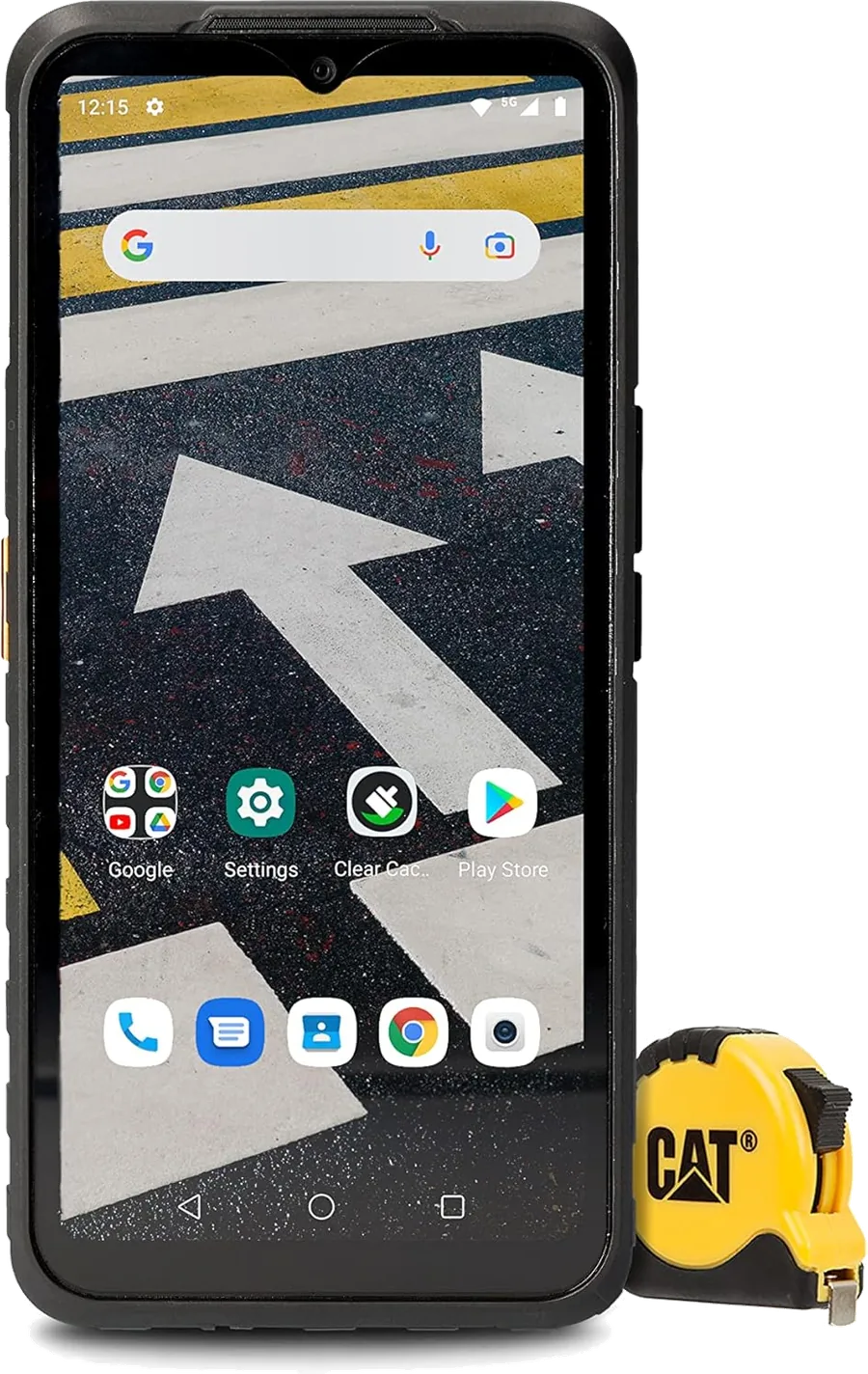
Cat S53
- Display: 6.5" HD+
- Chipset: Snapdragon 480 5G
- Memory: 6GB / 128GB
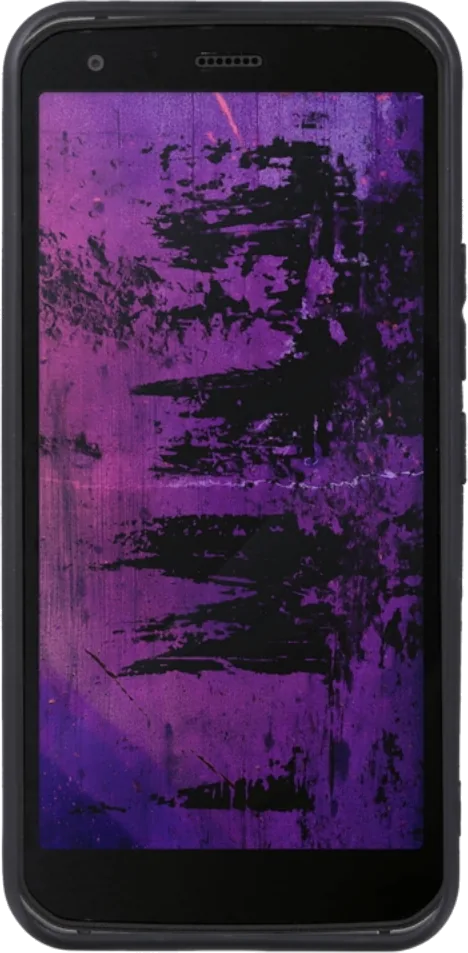
Cat S62 Pro
- Display: 5.7" FHD+
- Chipset: Snapdragon 660
- Memory: 6GB / 128GB
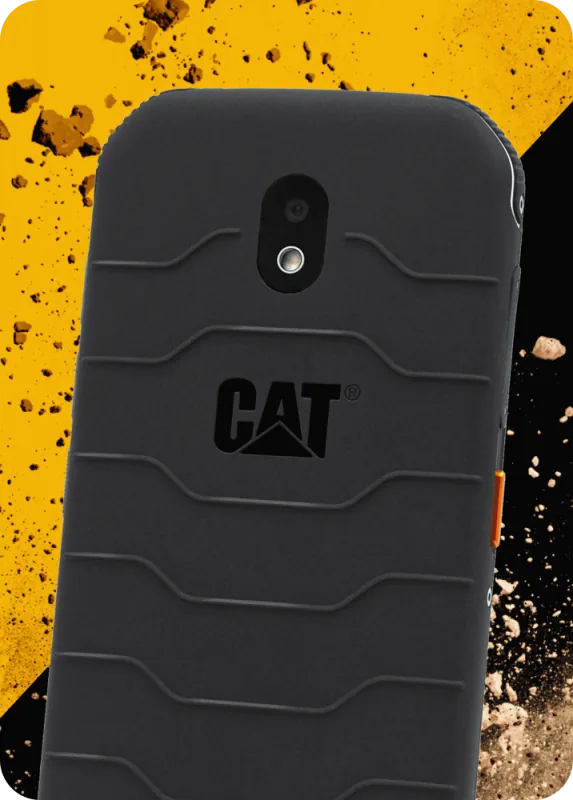
Cat S42 H+
- Display: 5.5" HD+ IPS
- Chipset: Helio A20
- Memory: 3GB / 32GB + microSD
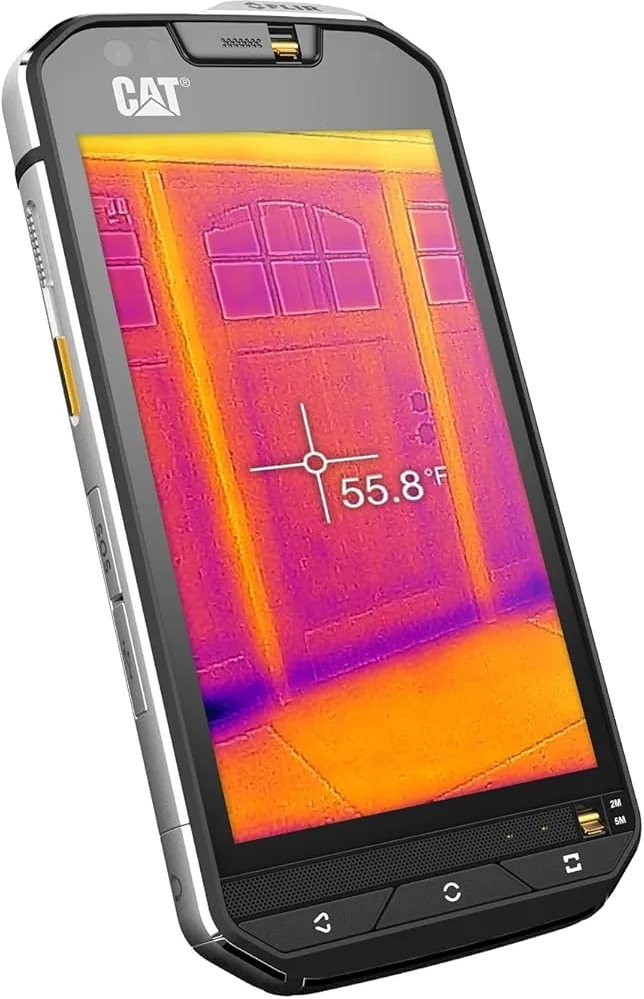
Cat S60
- Display: 4.7" HD, Gorilla Glass 4
- Chipset: Snapdragon 617
- Memory: 3GB / 32GB + microSD
IP68, IP69K and MIL-STD-810H explained FAQ
Is IP69K better than IP68?
Neither is better; they test different things. IP68 covers submersion in still water to a depth and time the maker sets. IP69K covers close-range, high-pressure, hot water jets. A phone that gets dropped in water and hosed down should list both, as the Cat S62 Pro, S62, S42 H+ and B40 do.
Can I pressure wash an IP68 phone?
Not safely. IP68 is a still-water immersion test and says nothing about jets. High-pressure water can push past seals that are fine underwater. Only phones that also list IP69 or IP69K were tested for wash-down, and even then keep port covers closed and avoid aiming the jet straight at openings.
What is the difference between MIL-STD-810G and 810H?
810H is the 2019 revision of the standard, replacing 810G from 2008. It clarified and updated test procedures. On Cat phones, 810H appears on models launched from 2020, such as the S62 Pro and S22 Flip, while earlier phones such as the S60 and S61 list 810G.
Is MIL-STD-810H a certification?
No. It is a set of environmental test methods. A manufacturer chooses which tests to run and declares compliance. There is no military body that certifies phones. That is why the specific numbers on a spec sheet, such as a 6 ft drop onto steel, are more useful than the MIL-STD label alone.
How far can a Cat phone be dropped?
Most Cat phones list a drop height of 6 ft (1.8 m), and several state the surface as steel, including the S62 Pro, S62, S42, S42 H+, S22 Flip and B40. The S52 lists 5 ft (1.5 m) onto concrete and the older S50 lists about 4 ft (1.2 m).
Which Cat phone goes deepest underwater?
The Cat S60 and the S75 both list 16.4 ft (5 m), with the S60 rated for 60 minutes and the S75 for 35 minutes. The S61 lists 9.8 ft (3 m) for 60 minutes. Most later models list 5 ft (1.5 m) for 35 minutes.
Cat Phones is reader-supported: when you buy through an Amazon link on this page we may earn a commission, at no extra cost to you. Amazon prices and availability change often. Affiliate disclosure.